A leaking roof, a cracked parking lot, or a sputtering rooftop HVAC unit might seem like minor annoyances you can put off for another quarter. But every deferred repair is quietly accumulating on your balance sheet, often in ways that don’t show up until the damage is far more expensive to fix. If you own or manage commercial property, understanding how small maintenance delays snowball into major financial liabilities can help you protect both your asset value and your bottom line. This article breaks down the real costs of putting off repairs across the systems that matter most.
Roof Leaks That Turn Into Structural Repairs
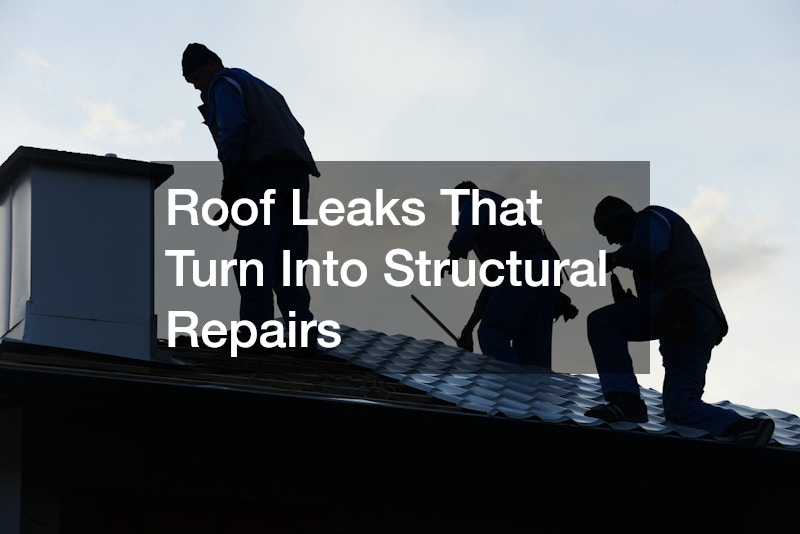
A small roof leak rarely stays small. Water that seeps through a damaged membrane or flashing works its way into insulation, decking, and eventually the structural supports of your building, and by the time stains appear on ceiling tiles, the damage is often already extensive.
The timeline matters here. A leak left unaddressed for even a few months can saturate insulation and rot plywood decking; left for a year or two, it can corrode steel joists or rot wooden trusses, compromising the load-bearing capacity of the roof itself. At that point you’re no longer talking about a repair, you’re talking about shoring up or replacing structural components while the building is still occupied.
The cost curve reflects that shift. A routine flashing repair or localized patch might run $300 to $1,500. Once water reaches the decking, you’re looking at $5,000 to $15,000 for sectional replacement. Full structural remediation, including engineering assessments, temporary supports, and code-required upgrades, can easily climb into six figures for a mid-sized commercial building.
There are hidden costs too, ones that don’t show up on the repair invoice. Trapped moisture invites mold growth, which can trigger air quality complaints, tenant lease disputes, or even OSHA scrutiny. Insurance carriers may also deny claims tied to “gradual damage” once they determine the leak had been known and unaddressed, shifting the entire cost back onto your balance sheet.
A small roof leak rarely stays small. Water finds the path of least resistance, traveling along joists and beams before it ever shows up as a stain on the ceiling below. By the time facilities staff notice discoloration or dripping, moisture may have already compromised insulation, corroded steel supports, or rotted wood decking — turning a $500 patch job into a $50,000 structural repair.
Bringing in a commercial roofer for a routine inspection twice a year is far cheaper than waiting for a visible leak to appear. Spring and fall inspections are ideal, catching winter ice damage and checking for wear before summer storms hit. Roofing professionals can spot early signs of membrane wear, ponding water, or seal failure around HVAC units and skylights that untrained eyes miss entirely.
These inspections typically cost a few hundred dollars, but they generate documentation that matters for more than just maintenance planning. A paper trail of regular upkeep supports insurance claims if storm damage does occur, and it protects against disputes over whether an issue was pre-existing neglect or sudden damage.
Catching these issues early keeps repair costs predictable instead of catastrophic. It also extends the roof’s usable life by years, delaying the far larger capital expense of a full replacement and keeping that liability off the balance sheet longer than it would otherwise last.
- Ponding water on flat roofs accelerates membrane breakdown, often cutting expected roof life by 5-10 years
- Small blisters or cracks often signal deeper seal failures beneath the surface, not just cosmetic wear
- Delayed roof repairs can void manufacturer warranties, since most require documented maintenance within 30-90 days of a known defect
- Water damage frequently spreads to electrical and insulation systems, creating fire hazards and reducing HVAC efficiency
- Structural rot in decking and joists can turn a $500 patch job into a $50,000+ replacement if left unaddressed
- Mold growth from chronic moisture exposure adds remediation costs and potential liability for tenant health complaints
HVAC Systems That Fail During Peak Demand
Heating and cooling systems are among the most expensive building components to replace, yet they’re also among the most commonly neglected. Dirty filters, worn belts, and refrigerant leaks force your system to work harder, driving up energy bills long before a full breakdown occurs. Tenants and employees notice uncomfortable temperatures long before management realizes the underlying equipment is failing.
Scheduling regular tune-ups with commercial HVAC repair companies helps extend equipment life by years and keeps energy costs in check. Many failures happen during the hottest or coldest days of the year, precisely when demand on the system is highest and replacement units are hardest to source quickly. A proactive service contract is almost always less expensive than an emergency replacement.
- Dirty coils and filters can raise energy costs by 15 percent or more
- Refrigerant leaks often go unnoticed until a total system failure
- Rooftop units exposed to weather need more frequent inspections
- Emergency HVAC replacement costs significantly more than planned upgrades
Power Outages and the Case for Backup Systems
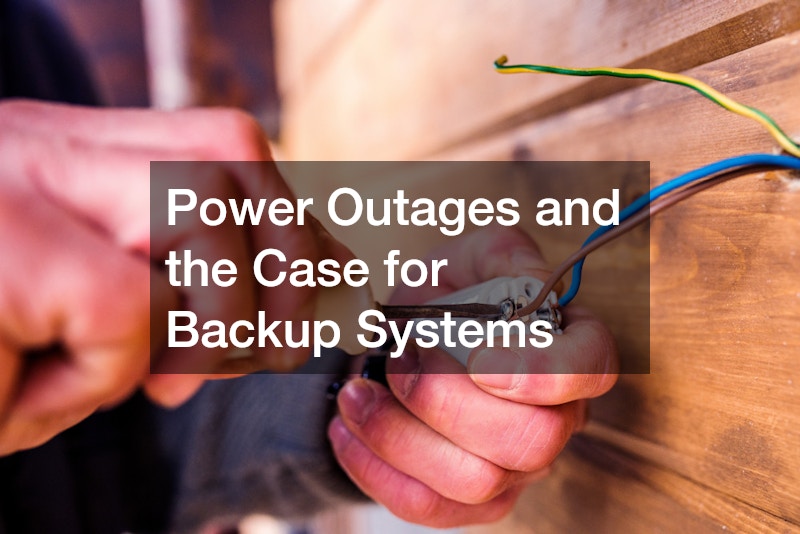
Power interruptions can halt operations, spoil inventory, and damage sensitive equipment within minutes. Many building owners assume their backup power systems will simply work when needed, but generators that sit unused for months can fail to start during an actual emergency. Regular testing and fuel system checks are the only way to know for certain that your equipment is ready.
Investing in emergency generator service on a scheduled basis ensures your backup power will actually function when a storm or grid failure strikes. This is especially critical for businesses that rely on refrigeration, data servers, or medical equipment, where even a short outage translates into real financial loss. The cost of a service contract is minor compared to the cost of spoiled inventory or halted operations.
- Untested generators fail to start in up to 20 percent of real emergencies
- Fuel degradation can clog systems that sit idle for long periods
- Battery and transfer switch failures are common but preventable issues
- Businesses with data centers face especially high outage costs
Parking Lot Deterioration and Liability Exposure
Cracked, potholed pavement does more than look unprofessional. It creates real liability exposure when customers or employees trip, twist an ankle, or damage a vehicle on your property. Water that seeps into pavement cracks freezes and expands during colder months, turning a minor crack into a major structural failure within a single season.
Scheduling commercial asphalt paving repairs before winter sets in prevents small cracks from becoming full-depth potholes that require far more expensive base repairs. Sealcoating every two to three years also extends the life of the pavement significantly. Property owners who delay this maintenance often find themselves paying for a full repaving project years earlier than necessary.
- Cracks smaller than a quarter inch are the cheapest to repair
- Freeze-thaw cycles are the leading cause of pavement failure
- Poor drainage accelerates asphalt breakdown near building entrances
- Faded striping and unclear signage also increase liability risk
Electrical Systems That Pose Fire and Safety Risks
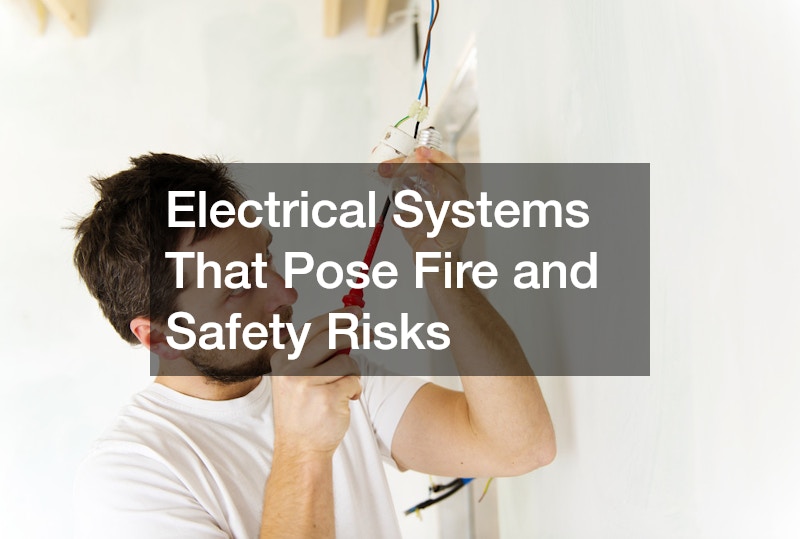
Outdated wiring, overloaded panels, and worn breakers are among the most dangerous forms of deferred maintenance because the risks aren’t always visible until something fails. Flickering lights, warm outlets, or breakers that trip frequently are early warning signs that something in the system needs attention. Ignoring these signals can lead to equipment damage or, in worse cases, an electrical fire.
A licensed commercial electrician can perform a load assessment to determine whether your building’s electrical infrastructure still matches its current demands. Many older commercial buildings were wired for far less equipment than they now support, and this mismatch creates strain that worsens over time. Addressing these issues proactively protects both your property and your insurance standing.
- Overloaded panels are a leading cause of commercial electrical fires
- Insurance claims can be denied if faulty wiring is linked to a loss
- Aging buildings often need panel upgrades every 20 to 30 years
- Warm outlets or a persistent burning smell warrant immediate inspection
Building Exteriors and the Cost of Fading Curb Appeal
The exterior of your building is the first impression customers, tenants, and potential buyers form about your business. Peeling paint, chalky surfaces, and visible rust don’t just look neglected, they signal to prospective tenants that the property may have deeper maintenance issues. This perception can directly affect leasing rates and property valuations.
Hiring commercial painting companies on a consistent maintenance cycle protects the underlying building materials from moisture and UV damage while keeping the property looking well cared for. Quality exterior coatings also act as a protective barrier against wood rot and metal corrosion. Waiting too long between paint cycles often means paying for surface repairs in addition to the paint job itself.
- Peeling paint often signals underlying moisture problems
- UV exposure breaks down protective coatings faster than expected
- Faded exteriors can lower perceived property value at resale
- A consistent repainting cycle is cheaper than emergency exterior repairs
Entry Doors and Access Points That Compromise Security
Doors take a beating in commercial settings, especially at high-traffic entrances and loading docks. Misaligned frames, broken closers, and failing weatherstripping don’t just create drafts, they can compromise security and make it easier for unauthorized access. A door that doesn’t latch properly is a liability issue as much as a maintenance one.
Bringing in a team for commercial door repair at the first sign of misalignment prevents small hardware issues from turning into full frame or door replacements. Worn seals also let in moisture and pests, which can lead to secondary damage around the entryway. Regularly testing locks, hinges, and automatic closers keeps both security and energy efficiency intact.
- Misaligned doors increase heating and cooling losses
- Faulty door closers are a common cause of slip and fall claims
- Loading dock doors see the heaviest daily wear and tear
- Broken weatherstripping invites pests and moisture intrusion
Grounds Upkeep and Its Effect on Property Value
Overgrown landscaping, dead trees, and poorly maintained walkways do more than hurt aesthetics, they can create tripping hazards and drainage problems around the building’s foundation. Neglected grounds also tend to attract pests and can trap moisture against exterior walls. Over time, this contributes to the same structural issues that plague neglected roofs and building exteriors.
Partnering with local commercial grounds maintenance services ensures walkways, drainage areas, and landscaping are inspected on a regular schedule rather than only when problems become visible. Well-maintained grounds also improve safety for employees and visitors navigating the property. This is one of the more affordable maintenance categories to keep current, making neglect especially hard to justify.
- Overgrown roots can damage underground pipes and foundations
- Poor drainage around buildings contributes to basement moisture issues
- Neglected grounds increase pest infestation risk
- Regular upkeep supports stronger curb appeal and lease renewals
Renovation Planning and Relocation Logistics
Sometimes deferred maintenance reaches a point where renovation or relocation becomes the more cost-effective path forward. Bringing in a local commercial construction contractor early in this process helps you get an accurate picture of what repairs are still salvageable versus what requires a full rebuild. Waiting until systems fail completely often limits your options and increases costs across the board.
If a major renovation does require temporarily relocating operations, working with experienced corporate moving companies can minimize downtime and protect sensitive equipment during the transition. Planning this logistics piece early, rather than scrambling after an emergency shutdown, keeps disruption to staff and customers to a minimum. A well-coordinated move can be the difference between a short pause in operations and a prolonged loss of revenue.
- Early contractor involvement helps prioritize which repairs are urgent
- Renovation timelines often extend when hidden damage is discovered mid-project
- Coordinated moves reduce equipment downtime and data loss risk
- Temporary relocation planning should begin months before major renovations
Deferred maintenance rarely announces itself loudly until the cost of ignoring it has already multiplied. Taking a proactive approach across your roof, HVAC, electrical, pavement, and grounds systems protects both your property value and your operating budget. Start by scheduling a professional inspection of the systems you’ve been putting off the longest, and use that assessment to build a realistic maintenance calendar going forward. Your balance sheet, and your peace of mind, will benefit from the head start.