
Starting and operating a small business comes with its own set of challenges and opportunities. In this article, we will explore essential tips and strategies tailored for various small business types to help them thrive in today’s competitive market. From an electrician company to a local roofing company, understanding these critical elements can guide you toward sustained success.
1. How to Start an Electric Company?
1.1 Understanding the Licenses and Certifications Required
Starting an electrician company requires navigating the complex landscape of licenses and certifications. Each state has specific requirements, but generally, a master electrician license is mandatory to legally operate an electrician company. Securing these credentials boosts your reputation, assuring clients of professional service and adherence to safety standards.
Apart from standard licensing, pursuing specialized certifications can further set your electrician company apart. Certifications in niche areas like renewable energy technologies or advanced home automation can open new business avenues and attract environmentally conscious customers. Establishing a strong foundation based on professional qualifications is key to long-term success in the electrical field.
Insurance is another critical consideration for an electrician company. Comprehensive coverage protects against potential liabilities arising from accidents or operational mishaps. Ensuring your company is fully insured enables peace of mind for both you and your clients, fostering a secure business environment.
1.2 Essential Tools and Equipment for Electricians
Equipping your electrician company with the right tools is crucial for delivering quality service. Standard tools such as multimeters, wire strippers, and insulated screwdrivers form the backbone of day-to-day operations. Regularly updating and maintaining these tools ensures they remain in optimal working condition, reflecting your company’s commitment to excellence.
Advanced diagnostic tools, including thermal imaging cameras and circuit analyzers, can further enhance your service offerings. These enable your electrician company to conduct more detailed inspections and offer high-value services like predictive maintenance and energy efficiency assessments. Investing in new technology positions your business to capitalize on evolving industry demand.
Safety equipment like insulated gloves, face shields, and harnesses for working at heights is also essential. Prioritizing safety not only protects your workforce but also demonstrates professionalism to clients. A strong safety culture is a hallmark of a reputable electrician company.
1.3 Marketing Your Electrician Services Locally
Effective marketing is vital for the growth of an electrician company, particularly in local markets. Traditional methods such as community sponsorships and local advertising can help build brand awareness and trust. Engaging with local businesses for cross-promotional opportunities can also expand your network and client base.
In today’s digital age, online marketing is equally crucial. Developing a professional website with detailed service descriptions and showcasing customer testimonials can enhance your electrician company’s credibility. Leveraging social media platforms to share educational content about electrical safety or energy-saving tips can further position your company as a thought leader.
Encouraging satisfied customers to leave positive reviews online is another powerful marketing tool. These testimonials enhance your reputation and can improve local search rankings, making your electrician company more visible to potential customers. A solid marketing strategy that integrates both traditional and digital elements ensures sustained growth.
2. What Are the Key Considerations for a Paint Company?

2.1 Finding Your Niche in the Painting Industry
Establishing a niche is crucial for any painting company aiming to stand out in a competitive market. Specialized services, such as eco-friendly painting or high-end decorative finishes, can differentiate your offering from other local businesses. By focusing on a niche, a painting company can build expertise that attracts distinct target audiences.
Analyzing market trends and customer preferences will help determine which niche aligns best with your business goals. For example, if there is a growing demand for environmentally sustainable options, developing a line of green products can set your painting company apart. You can also specialize in residential or commercial painting, catering to different types of clients.
Once your niche is identified, investing in training and resources to bolster your capabilities in that area becomes essential. Providing specialized services necessitates up-to-date knowledge and specialized equipment. Ensuring your team is well-trained enhances your painting company’s reputation for quality and expertise.
2.2 Building a Portfolio to Attract Clients
A painting company’s portfolio is a powerful tool for attracting and converting potential clients. It should showcase a diversity of projects, highlighting the variety of styles and services your company offers. Comprehensive documentation of completed projects, including high-quality photographs and client testimonials, can demonstrate your capabilities and reliability.
Digital portfolios are particularly effective for reaching a wider audience. A well-curated online gallery, integrated with your website or social media profiles, allows prospective clients to easily assess your work. Regular updates, showcasing new projects or innovative techniques, can keep your painting company’s portfolio fresh and engaging.
Encouraging satisfied clients to share their experiences further enhances your portfolio’s impact. Client endorsements add authenticity and serve as strong social proof of your company’s professional standing. A strategic approach to portfolio building can significantly boost your painting company’s appeal and marketability.
2.3 Pricing Strategies for Painting Services
Developing a comprehensive pricing strategy is essential for the financial health of a painting company. Offering competitive pricing that reflects the quality of your work while ensuring profitability is a delicate balance. Analyzing competitor prices and local market dynamics provides insights for setting attractive and viable rates.
Introducing tiered pricing structures can cater to different customer budgets, broadening your market reach. This approach allows clients to choose from varying service levels, encouraging upsells to more premium options. A transparent pricing strategy helps avoid misunderstandings and builds trust with clients.
Promotional pricing, such as seasonal discounts or introductory offers, can also drive customer interest and engagement. Special promotions can incentivize new customers to choose your painting company, creating opportunities for repeat business and referrals. Thoughtful pricing strategies contribute to sustained business growth and client loyalty.
3. How to Grow a Garage Door Company?
3.1 Offering Maintenance and Repair Services
Expanding service offerings to include maintenance and repair is an effective growth strategy for a local garage door company. Regular maintenance packages help retain customers by ensuring their garage doors remain in optimal condition. These services can also generate steady revenue streams and contribute to long-term customer relationships.
Offering prompt and reliable repair services can further enhance client satisfaction and loyalty. Clients value quick responses to service requests, which demonstrate professionalism and commitment to customer care. Maintaining a reputation for excellent service quality distinguishes your local garage door company from competitors.
Training staff to handle both regular and urgent repairs is crucial to sustaining service excellence. Investing in ongoing employee training ensures your team remains skilled in the latest technologies and repair techniques. Knowledgeable and efficient technicians enhance your company’s credibility and market standing.
3.2 Partnering with Home Builders and Contractors
Strategic partnerships with home builders and contractors can open new avenues for growth for a local garage door company. These collaborations can lead to consistent project opportunities and expanded business networks. Working closely with industry professionals enhances your company’s reputation and demand.
Developing mutually beneficial relationships with builders can position your company as a preferred service provider during construction projects. Providing value-added services and flexibility in offerings can help secure such partnerships. Marketing your garage door solutions in collaboration with builders and contractors optimizes exposure to potential clients.
To nurture these partnerships, prioritizing clear communication and reliable service is essential. Builders and contractors seek dependable partners who can contribute to seamless project execution. A commitment to excellence and collaborative efficacy strengthens your reputation and fosters enduring alliances.
3.3 Using Customer Reviews to Build Reputation
Customer reviews play a pivotal role in establishing the reputation of a local garage door company. Positive testimonials reflect your dedication to quality service and customer satisfaction. Encouraging clients to leave reviews on platforms such as Google and social media enhances your visibility.
Actively managing your online presence involves responding to reviews, both positive and negative. This engagement reflects your commitment to client feedback and continuous service improvement. A responsive approach can help build trust and attract more clients to your garage door company.
Collecting and showcasing positive customer experiences in marketing materials further enhances your reputation. Highlighting testimonials on your website or advertising collateral underscores client satisfaction and quality assurance. Building a strong reputation through customer reviews supports sustainable growth and community standing.
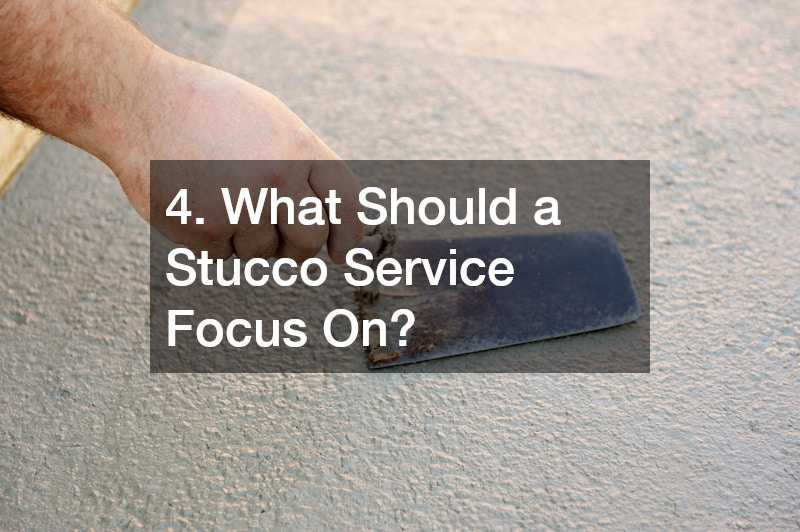
4. What Should a Stucco Service Focus On?
4.1 Understanding the Different Types of Stucco Applications
A successful stucco company must master various application types and techniques. Different stucco styles, such as traditional or synthetic acrylic, offer unique benefits suited to specific climates and design preferences. Understanding and offering various applications allows your company to meet diverse client needs effectively.
Providing clients with information on the pros and cons of each stucco type helps them make informed decisions. Transparent consultations demonstrate expertise and build trust, enhancing client satisfaction. Maintaining versatility in service offerings positions your stucco company ahead of competitors.
Staying updated on industry trends and innovations ensures your company can offer the latest solutions and technologies. Training staff in cutting-edge techniques reinforces your company’s reputation for quality. Continuous development and adaptation contribute to long-term success in the stucco industry.
4.2 Promoting Stucco Services for New Constructions
New construction projects provide opportunities for a stucco company to showcase its skills and capabilities. Collaborating with builders, architects, and developers ensures your company is included in upcoming projects. Building strategic relationships with these stakeholders can secure consistent opportunities and visibility.
A focused marketing strategy targeting decision-makers in construction projects is crucial. Offering competitive pricing and showcasing past successes can make your stucco company an attractive option for new builds. Presenting your company as a trusted provider of high-quality stucco applications can enhance demand for your services.
Collaboration with construction companies provides insights into market demands and emerging trends. Aligning service offerings with these insights ensures your stucco company remains competitive and innovative. Effective promotion of stucco applications in new constructions supports growth and credibility in the industry.
4.3 Safety and Quality Assurance in Stucco Projects
Safety and quality assurance should be core focuses for any stucco company aiming to uphold industry standards. Implementing thorough safety protocols and training minimizes risks to employees and clients. Regular audits and inspections of safety practices ensure compliance and operational excellence.
Quality assurance processes verify that every project phase meets high standards, ensuring consistency and customer satisfaction. A commitment to quality elevates your stucco company’s reputation and drives repeat business. Demonstrating reliability in service quality differentiates your company in a competitive market.
Promoting a safety-first culture within the organization further reinforces client confidence. Collaborating with insurance providers to optimize coverage ensures your company is well-protected against unforeseen incidents. A dual focus on safety and quality assurance paves the way for sustained success in the stucco industry.
5. How to Effectively Manage a Fence Service?
5.1 Navigating Zoning Laws and Permits for Fences
Compliance with zoning laws and permits is essential for any fence company to operate legally and efficiently. Different areas have specific regulations regarding fence height, materials, and location. Understanding these legalities prevents potential project delays and legal issues.
Building relationships with local authorities can facilitate the permitting process, ensuring quick approvals. Transparent communication with clients about zoning requirements underscores your company’s professionalism. Ensuring all projects comply with local regulations boosts your fence company’s credibility and customer trust.
Providing guidance to clients on navigating local zoning laws helps streamline project execution. Educating them about requirements and obtaining necessary permits fosters seamless coordination. Successfully managing regulatory compliance enables your fence company to concentrate on quality service delivery.
5.2 Customizing Fence Solutions for Different Clients
A successful fence company tailors its services to meet diverse client preferences and needs. Offering customized solutions based on property characteristics and design tastes differentiates your company. Providing a wide range of materials and styles ensures flexibility and meets varied client demands.
Collaborating with clients to personalize fence designs fosters engagement and client satisfaction. Understanding their vision and offering design consultations ensures outcomes align with expectations. A focus on customization strengthens client relations and solidifies your reputation for quality service.
Leveraging state-of-the-art design software can enhance your company’s capabilities in offering dynamic and unique solutions. Illustrating proposed designs through digital renderings allows clients to visualize final products. Staying at the forefront of customization trends supports growth and elevates your fence company’s market standing.
5.3 Expanding Services to Include Repair and Maintenance
A fence company can optimize profitability by offering repair and maintenance services. Fencing structures, exposed to natural elements, require periodic repairs to ensure longevity. Expanding into maintenance services ensures ongoing client relationships and recursurvevenue streams for your business.
Providing proactive maintenance services not only prevents costly future repairs but also extends the lifespan of installed fences. Reach out to past clients with upkeep packages to bolster customer retention and corporate growth. A well-rounded service offering that includes maintenance supports healthy long-term client relationships.
Educating staff on maintenance practice fosters efficiency and ensures deliverables meet high standards. Equipping them with appropriate tools and knowledge maintains service excellence and client satisfaction. Expanding into this sector strengthens your company’s comprehensive service offering.
6. What Are the Challenges of Running a Moving Service?

6.1 Managing Logistics and Scheduling
Logistical challenges are prevalent in operating a moving company, necessitating meticulous coordination and scheduling. Efficient management of equipment and workforce minimizes delays and ensures smooth operations. As each job requires precision and care, strategic planning of resources becomes essential.
Using software solutions for scheduling and fleet management can enhance logistical efficiency. Tools that optimize routing, track loading times, and monitor truck utilization enable seamless operations. The strategic adoption of technology bolsters the competitiveness and reliability of your moving company.
Regular coordination meetings help to update staff on upcoming schedules and changes to plans. Open communication prevents misunderstandings and maximizes the productivity of your team. A company that excels in managing logistics and scheduling offers enhanced client peace of mind and fosters positive feedback.
6.2 Insurance and Liability Considerations
Operating a moving company involves inherent risks, necessitating comprehensive insurance and liability coverage. Cargo insurance protects against potential damages to client’s belongings during transit, demonstrating your company’s commitment to safety and reliability. Selecting correct coverage prevents significant financial losses in case of irregularities.
Employing transparent policies regarding liability helps establish trusting relationships with clients. Clearly communicated liability limitations, combined with proactive risk management strategies, assure customers of your company’s accountability. A well-informed client is more likely to feel confident entrusting their possessions to your moving company.
Regular review of insurance policies and updating coverage as business needs evolve ensures optimal protection. Maintaining a safe work environment and promoting safety culture among employees also mitigates potential risks. An emphasis on effective liability management fortifies both financial stability and reputation for your moving company.
6.3 Tips for Hiring Reliable Moving Staff
The success of a moving company heavily depends on hiring skilled and reliable staff. Conducting thorough background checks and assessments ensure employees are trustworthy and align with your company’s values. Rigorously screened hires reflect positively on customer trust, leading to repeat business.
A comprehensive training program equips staff with the skills needed for efficient and safe handling of household goods. Safety protocols and training sessions on proper lifting techniques reduce the risk of accidents. Empowering staff through proper education enhances productivity and client satisfaction.
Competitive compensation and incentives can help attract and retain top talent in your moving company. Offering career development and advancement opportunities within the company motivates employees to consistently perform well. Developed staff retention fosters operation continuity, enhancing customer experience and boosting overall goodwill.
7. How to Succeed in the Dumpster Business?

7.1 Understanding Local Regulations for Waste Management
Success in the dumpster rental business hinges on adherence to local regulations governing waste management. Laws and environmental regulations dictate how and where waste can be disposed of, influencing your company’s operational protocols. Non-compliance can lead to substantial fines and damage to your company reputation.
Establishing clear processes and training staff on regulatory compliance minimizes potential legal challenges. Regular updates and audits ensure operations conform with changing waste management policies. A proactive approach ensures the reliability and credibility of your dumpster rental company.
Collaboration with local authorities and networking with waste management agencies keeps you informed about pertinent changes in policies. This insight can lead to strategic partnerships or exclusive service arrangements, enriching your offer portfolio. Regulatory awareness thus enhances operational efficiency and stakeholder trust.
7.2 Investing in the Right Dumpster Equipment
Selecting the appropriate dumpster equipment is critical for serving a broad range of client needs. Accurate sizing and durable, reliable construction ensure efficient operations and customer satisfaction. Investing in diverse dumpster sizes allows for flexibility in accommodating different projects.
Regular maintenance and periodic upgrading of equipment enhance efficiency and longevity. Maintaining the safety and quality of dumpsters reflects your company’s mastery of industry best practices. Carefully selected investments in equipment fortify your company’s reliability and contribute to operational excellence.
Consideration for eco-friendly and sustainable practices further bolsters your market appeal. Clients are increasingly seeking service providers that align with their environmental values. Incorporating sustainability into your equipment choices supports the growth and differentiation of your dumpster rental company.
7.3 Seasonal Demand and Marketing Strategies
The dumpster rental business often experiences fluctuations in demand based on seasonal activities and projects. Adapting marketing strategies to align with these peaks enhances your ability to capture market opportunities. Focusing on target demographics, such as construction firms or homeowners, optimizes your marketing efforts.
Running a successful small business requires thoughtful planning, adaptability, and consistent attention to daily operations. Whether you operate a local HVAC company, manage a growing tree company, or run a trusted local roofing company, focusing on clear goals, strong customer relationships, and sound financial decisions can support steady progress over time. By staying organized, responding to change, and investing in ongoing improvement, small business owners can build resilient operations positioned for long-term growth and stability.