Maintaining a home requires more than occasional cleaning or small repairs. A proactive approach to key systems—HVAC, plumbing, roofing, and outdoor features—ensures safety, efficiency, and long-term value. Ignoring maintenance can lead to costly repairs, reduced energy efficiency, and potential safety hazards. Small issues, when left unaddressed, often develop into major problems that require significant time and financial investment to resolve. This guide provides detailed strategies for homeowners to address essential home systems effectively, offering actionable steps, preventive measures, and tips for working with professionals to keep your property in optimal condition. By approaching maintenance systematically, you can reduce emergency situations, save money, and enhance the comfort and functionality of your home while preserving its value for years to come.
Optimize Indoor Comfort with HVAC Maintenance
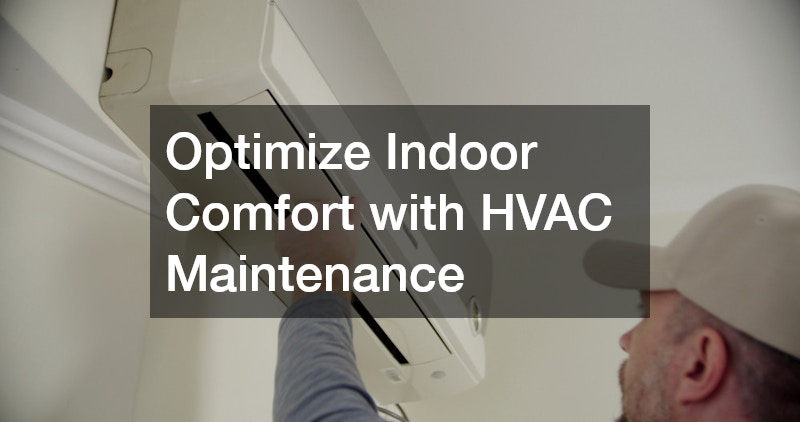
Heating and cooling systems are critical to home comfort and energy efficiency. These systems work year-round to regulate indoor temperatures, making them one of the most important components of any home. Malfunctioning units can result in high energy bills, uneven temperatures, and indoor air quality issues. Without proper care, HVAC systems can also become less effective over time, leading to unnecessary strain and eventual breakdowns. Regular maintenance ensures these systems operate safely and efficiently throughout the year.
Air conditioning repairs should be addressed promptly to avoid more extensive problems. Even minor issues, such as reduced airflow or inconsistent cooling, can signal underlying mechanical concerns. Common signs of AC issues include uneven cooling, unusual noises, musty odors, and rising energy bills. Scheduling routine inspections can catch refrigerant leaks, dirty coils, or malfunctioning compressors before they escalate into costly repairs or full system failure.
Furnace repair is equally important during colder months. An inefficient furnace may struggle to heat the home, produce strange odors, or increase energy consumption. Delaying repairs can lead to safety risks, including carbon monoxide leaks or fire hazards. Professional inspections can identify issues such as cracked heat exchangers, dirty burners, or faulty thermostats, ensuring your system operates safely and efficiently when you need it most.
Additional steps for maintaining HVAC systems include:
- Replacing or cleaning filters monthly or per manufacturer recommendations to maintain airflow and air quality.
- Checking ductwork for leaks or blockages that reduce efficiency and increase energy costs.
- Inspecting thermostat calibration and upgrading to programmable or smart thermostats for better control.
- Keeping units free of debris and ensuring outdoor components are clear of leaves, dirt, and obstructions.
- Scheduling annual professional inspections for both AC and heating systems to catch problems early.
Regular maintenance not only prolongs equipment lifespan but also improves air quality and reduces utility costs. By staying proactive, homeowners can avoid emergency repairs while ensuring consistent comfort throughout the year.
Protect Your Home with Roofing and Siding Solutions
The exterior of your home is its first defense against weather, moisture, and environmental damage. A well-maintained exterior not only protects the structure but also enhances curb appeal and energy efficiency. Proper roofing and siding maintenance prevents structural issues and maintains the overall integrity of your property.
Roofing repairs should be addressed as soon as issues arise. Even a small leak can lead to water damage, mold growth, and insulation problems if left untreated. Missing shingles, cracked flashing, and clogged gutters can all contribute to roofing issues. Routine inspections, particularly after storms or heavy winds, help identify small problems before they become major concerns.
Siding contractors play a key role in maintaining or replacing exterior cladding. Siding acts as a protective barrier against moisture, pests, and temperature fluctuations. Damaged or worn siding can allow moisture infiltration, reduce energy efficiency, and decrease your home’s aesthetic appeal. Options like vinyl, fiber cement, and engineered wood offer durability and low maintenance, while professional installation ensures proper sealing and alignment.
Tips for effective roofing and siding maintenance include:
- Inspecting the roof biannually and after extreme weather events.
- Cleaning gutters and downspouts to prevent water buildup and foundation damage.
- Checking siding for cracks, warping, fading, or gaps that allow moisture intrusion.
- Applying sealants or protective coatings to extend the lifespan of exterior materials.
- Scheduling professional evaluations for any structural concerns or aging materials.
Investing in exterior upkeep protects your home from moisture, pests, and structural damage while maintaining property value and energy efficiency over time.
Maintain Efficient Water Systems
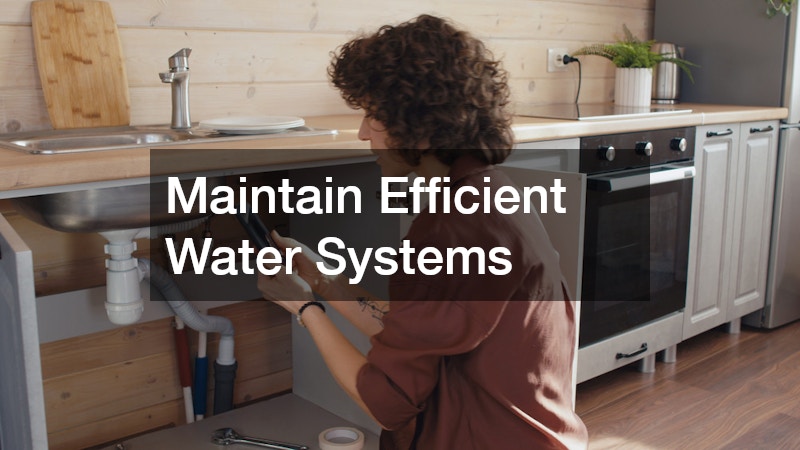
Water systems are vital to both comfort and functionality. From daily tasks like cooking and cleaning to essential sanitation, water plays a central role in every home. Ignoring maintenance can result in reduced efficiency, costly repairs, and health hazards. Regular care ensures a safe and reliable water supply while extending the life of your plumbing systems.
Water pump repair services are essential for homes with wells or pressure-boosting systems. When pumps fail or operate inefficiently, homeowners may experience low water pressure, inconsistent flow, or complete loss of water access. Addressing these issues early prevents more extensive damage and ensures a steady water supply.
A water softener improves efficiency by reducing mineral buildup in pipes, fixtures, and appliances. Hard water can lead to scale accumulation, reducing the efficiency of water heaters and clogging pipes over time. It can also affect cleaning results, leaving spots on dishes and residue on surfaces. Regular inspection, filter replacement, and salt replenishment ensure optimal performance and extend the lifespan of plumbing systems.
Tankless water heater systems are becoming increasingly popular due to their energy efficiency and compact design. These units provide hot water on demand, eliminating the need for a storage tank. Maintenance includes descaling to remove mineral buildup, inspecting heating components, and ensuring proper water flow. Proper care helps maintain efficiency and prevents unexpected breakdowns.
Key steps for maintaining water systems:
- Inspect plumbing for leaks, corrosion, or unusual pressure changes.
- Flush systems periodically to remove sediment and buildup.
- Schedule professional inspections for pumps and filtration systems annually.
- Monitor water quality for changes in taste, smell, or clarity.
- Maintain consistent water pressure to prevent stress on pipes and fixtures.
Efficient water systems reduce energy consumption, prevent damage, and ensure a safe, reliable supply for everyday use.
Ensure Safe Laundry and Ventilation Systems
Laundry and ventilation systems are often overlooked, yet they play a critical role in home safety and efficiency. Poor ventilation can lead to moisture buildup, mold growth, and reduced appliance performance. Dryer vent cleaning is crucial to prevent fire hazards, maintain drying efficiency, and improve overall safety.
Lint buildup in dryer vents is one of the leading causes of household fires. Over time, lint accumulates in the vent system, restricting airflow and causing the dryer to overheat. Cleaning vents and ducts regularly improves airflow, reduces drying times, and prolongs dryer lifespan. Professional cleaning ensures all lint and debris are removed from hard-to-reach areas that homeowners may not be able to access.
Additional tips for safe laundry and ventilation systems:
- Inspect vent ducts for kinks, disconnections, or damage that restrict airflow.
- Use rigid or semi-rigid metal ducts instead of flexible plastic or foil materials.
- Clean lint traps after every use to prevent buildup.
- Schedule professional dryer vent cleaning annually or more frequently for heavy use.
- Ensure proper ventilation in laundry areas to reduce humidity and prevent mold growth.
Maintaining dryer vents not only enhances safety but also increases energy efficiency, reduces wear on appliances, and improves overall home air quality.
Enhance Outdoor Living and Pool Areas

Outdoor spaces provide recreation, relaxation, and aesthetic appeal. Whether you use your backyard for entertaining guests, spending time with family, or simply unwinding after a long day, proper maintenance ensures these areas remain safe, functional, and visually appealing. Pools, patios, decks, and landscaping features all require regular care to prevent deterioration, extend their lifespan, and maintain their value. Neglecting outdoor maintenance can lead to safety hazards such as slippery surfaces, broken equipment, or water damage that affects surrounding structures.
A professional pool company can assist with maintaining water quality, cleaning debris, and inspecting equipment. Regular maintenance ensures proper chemical balance, preventing algae growth and protecting swimmers from harmful bacteria and contaminants. In addition to water quality, pool professionals monitor circulation systems to ensure water is filtered and distributed effectively. Pool pumps, filters, and circulation systems should be inspected frequently to ensure optimal performance and to avoid costly breakdowns during peak usage seasons.
Beyond basic cleaning, pool maintenance also involves:
- Checking and maintaining proper water levels to prevent strain on equipment.
- Inspecting pool liners or surfaces for cracks, tears, or discoloration.
- Ensuring pool lighting and electrical components are functioning safely.
- Winterizing the pool in colder climates to prevent freezing damage.
- Opening the pool properly in warmer seasons to ensure a safe start to use.
Waterproofing company services are essential for protecting outdoor structures such as decks, patios, retaining walls, and pool surrounds. Exposure to moisture, temperature changes, and weather conditions can gradually weaken these surfaces. Waterproofing prevents water infiltration, which can lead to cracks, rot, mold growth, and structural damage. Proper sealing and protective coatings create a barrier that preserves the integrity of materials like wood, concrete, and stone.
In addition to waterproofing, homeowners should also consider:
- Resealing surfaces every few years depending on exposure and wear.
- Inspecting joints and seams where water may penetrate.
- Repairing small cracks early to prevent them from expanding.
- Using slip-resistant coatings to improve safety around wet areas.
Tips for effective outdoor maintenance:
- Schedule seasonal inspections for pool equipment and surfaces to catch issues early.
- Test and balance pool water regularly to maintain safety, clarity, and comfort.
- Inspect pumps, filters, and plumbing connections for leaks, corrosion, or wear.
- Apply waterproof coatings to outdoor surfaces to prevent long-term moisture damage.
- Maintain proper drainage to prevent water pooling near foundations, patios, or walkways.
- Trim landscaping and tree roots that could interfere with pool plumbing or hardscaping.
- Clean outdoor furniture and fixtures to maintain appearance and durability.
Regular care of outdoor spaces enhances safety, preserves property value, and ensures these areas remain enjoyable for years to come. A well-maintained outdoor environment not only improves daily living but also creates an inviting space for gatherings and relaxation.
Integrate Preventive Maintenance into a Long-Term Plan
A well-organized maintenance plan is essential for keeping all home systems functioning efficiently. Instead of reacting to problems as they arise, a structured approach allows homeowners to stay ahead of potential issues and maintain consistent performance across all systems. Preventive maintenance reduces stress, minimizes unexpected costs, and ensures that every part of the home receives the attention it needs.
Creating a comprehensive maintenance plan involves:
- Developing seasonal checklists for HVAC, roofing, plumbing, and outdoor systems to ensure no area is overlooked.
- Keeping detailed records of inspections, repairs, warranties, and service appointments for easy reference.
- Setting aside a budget for routine maintenance and unexpected repairs to avoid financial strain.
- Scheduling regular professional services for specialized systems to ensure proper care and compliance.
- Monitoring system performance and adjusting maintenance schedules as needed based on usage and environmental conditions.
A strong maintenance plan also includes organization and consistency. Homeowners can benefit from using digital tools, calendars, or maintenance apps to track tasks and set reminders. Breaking tasks into manageable monthly or seasonal goals can make the process less overwhelming and more achievable.
Additional strategies include:
- Prioritizing high-risk areas such as roofing, plumbing, and HVAC systems where failures can cause significant damage.
- Investing in preventive upgrades that improve efficiency, such as smart thermostats or energy-efficient appliances.
- Building relationships with trusted service providers for consistent, reliable support and quicker response times.
- Reviewing and updating your maintenance plan annually to reflect changing needs, aging systems, or home improvements.
- Creating a checklist for emergency preparedness, including knowing shut-off valves, electrical panels, and contact information for service professionals.
Homeowners should also educate themselves on the basics of each system. Understanding how your home operates allows you to identify early warning signs and communicate effectively with professionals when issues arise. Even small actions, such as checking for leaks or unusual noises, can make a significant difference in preventing major repairs.
Consistent preventive care improves efficiency, safety, and home value while reducing unexpected repair costs. A proactive approach ensures that small issues are addressed before they escalate, saving both time and money while maintaining a comfortable and secure living environment.
Conclusion
Keeping a home safe and efficient requires attention to multiple systems, including HVAC, plumbing, roofing, and outdoor areas. By implementing a proactive maintenance strategy, homeowners can prevent costly issues, improve comfort, and protect their investment. Regular inspections, timely repairs, and professional services ensure long-term durability and energy efficiency, while attention to outdoor areas enhances both functionality and enjoyment.
Incorporating consistent maintenance habits into your routine creates a sense of control and confidence in managing your property. Rather than facing unexpected breakdowns or emergency repairs, homeowners can rely on a structured plan that supports long-term performance. Over time, this approach not only preserves the condition of your home but also contributes to a healthier, safer, and more enjoyable living space.
A structured maintenance plan provides peace of mind, cost savings, and confidence that your home will remain safe, comfortable, and visually appealing for years to come.